How TPE Helps
Stock Elastomers Can’t Keep Pace with Modern Application Demands
Conventional rubber and plastic parts often fall short when flexibility, custom form, or recyclability are needed especially in fast-moving, precision-critical environments.
- Standard rubber lacks the recyclability and processing ease of thermoplastics.
- Rigid plastics may fail to absorb shocks or adapt to complex geometries.
- Limited design flexibility makes it hard to combine soft-touch and structural functionality.
- Long-term maintenance costs rise when parts can’t be reshaped or recycled.
When parts are either too rigid or too fixed, innovation and sustainability suffer.
Facing performance or design limitations?
Traditional Elastomers Limit Efficiency, Design, and Sustainability
Using the wrong material can result in lost productivity, higher waste, and heavier ownership costs.
- Elastomeric parts that cannot be melted and reshaped lead to landfill waste and limited supply-cycle flexibility.
- Over-engineering with rigid plastics adds unnecessary weight and reduces ergonomics.
- The inability to co-process or overmold designs adds manufacturing complexity and cost.
- Reduced adaptability to adjust designs can slow innovation cycles.
In today’s world, material inefficiency can translate directly into financial and design setbacks.
Want a material that balances flexibility, recyclability, and design adaptability?
Kesaria’s TPE Portfolio Flexible, Recyclable, and Custom-Ready
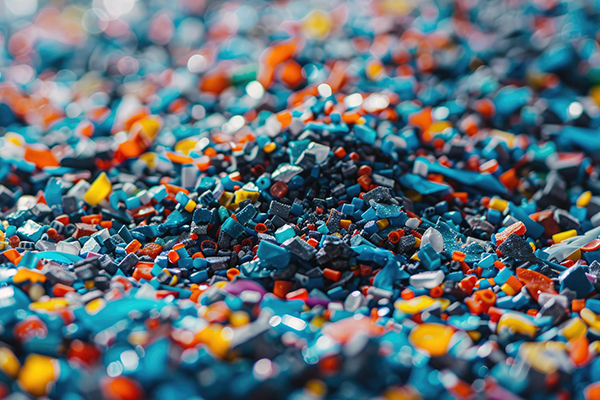
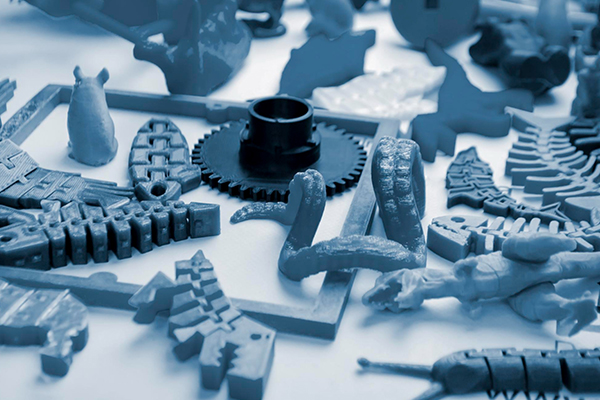
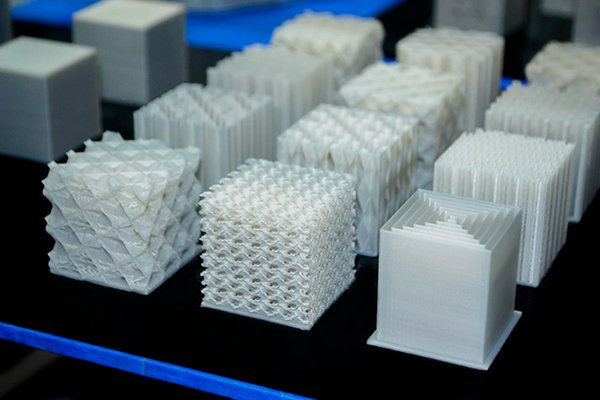
Our thermoplastic elastomers combine the elasticity of rubber with the processing benefits of plastics making them ideal for precision sealing, ergonomics, and adaptable designs.

Elastomeric flexibility + thermoplastic processability
TPEs stretch and rebound like rubber while being easy to mold, extrude, or recycle
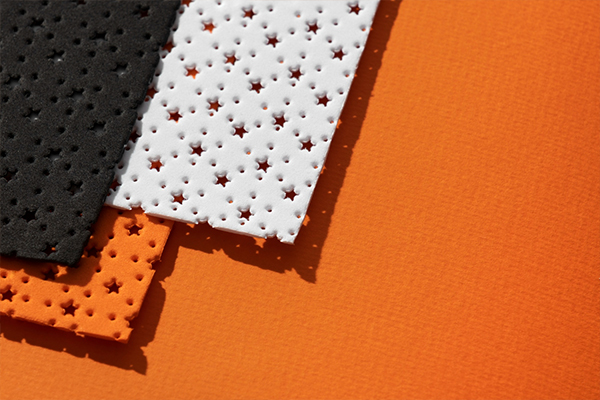
Versatile material classes
From Styrenic Block Copolymers (TPE-S) to TPV, TPU, TPE-E, and more. Each offers unique advantages across elasticity, weather resistance, and temperature performance
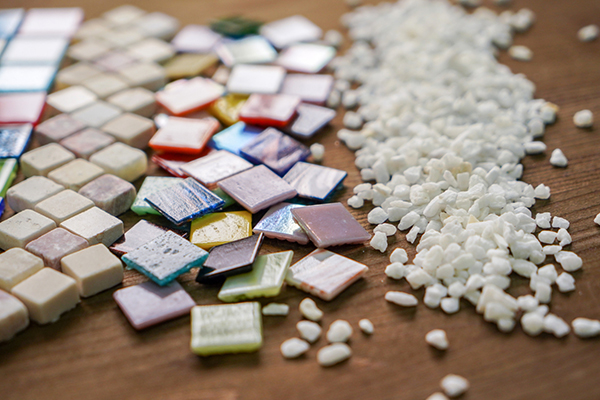
Efficient co-processing
TPEs support co-injection and overmolding with thermoplastics, streamlining manufacturing and enhancing aesthetics
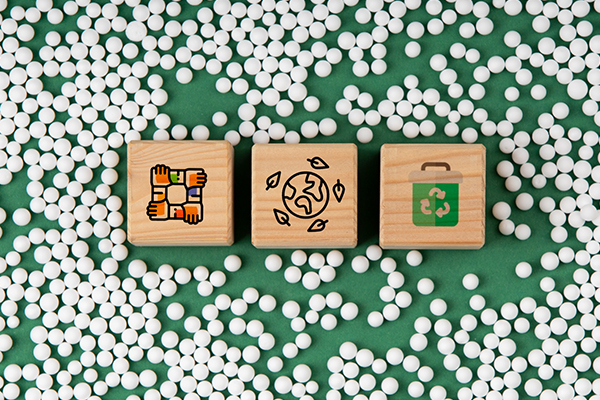
Sustainable & recyclable
Melt-processable and reworkable, TPE parts can reduce waste and improve lifecycle costs
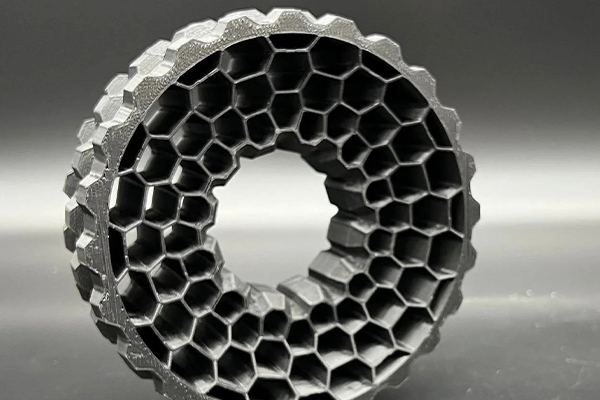
Kesaria’s TPE offerings give you both form and function, flexibility, efficiency, and sustainability in one material.
Looking for versatile, melt-processable elastomers?
Adaptive, Sustainable Elastomers for Future-Ready Designs
With our TPEs, expect more versatile parts, streamlined manufacturing, and reduced lifecycle costs: all while supporting sustainability.
- Enhanced part resilience with soft-touch properties and extended fatigue life.
- Streamlined manufacturing through simpler molding, extrusion, and overmolding capabilities.
- Improved sustainability via recyclability and reduced material waste.
- Greater design flexibility, from seals and gaskets to grips, connectors, and ergonomic surfaces.
Kesaria’s TPE solutions help you innovate efficiently without sacrificing performance, aesthetics, or sustainability.
Ready to upgrade your material strategy with versatile, eco-conscious elastomers?
You have questions.
We have answers.
PTFE's exceptional chemical resistance, broad thermal stability, and low friction ensure reliable sealing even under extreme temperatures and aggressive chemicals. Its inert nature also prevents contamination and ensures durability.
PTFE tape (also called Teflon tape) provides a non-stick, lubricious layer that seals pipe threads securely. It helps threads seat properly, prevents seizing, and ensures leak-proof joints in plumbing, oil, and air systems.
Absolutely. PTFE exhibits excellent dielectric properties, very low electrical conductivity and high dielectric strength making it ideal for insulating cables, connectors, and circuit components.
While pure PTFE may exhibit creep or low abrasion resistance, modifications are common. Fillers like glass, graphite, or bronze enhance mechanical strength, wear resistance, and dimensional stability making PTFE parts more suitable for demanding mechanical applications.
PTFE remains mechanically and chemically stable from approximately -250 °C (-450 °F) up to 260 °C (500 °F). This wide range makes it ideal for applications up to high-temperature industrial processes.
+91 97181 19993
info@kesaria.com