 +91 97181 19993
 info@kesaria.com
 O-Rings
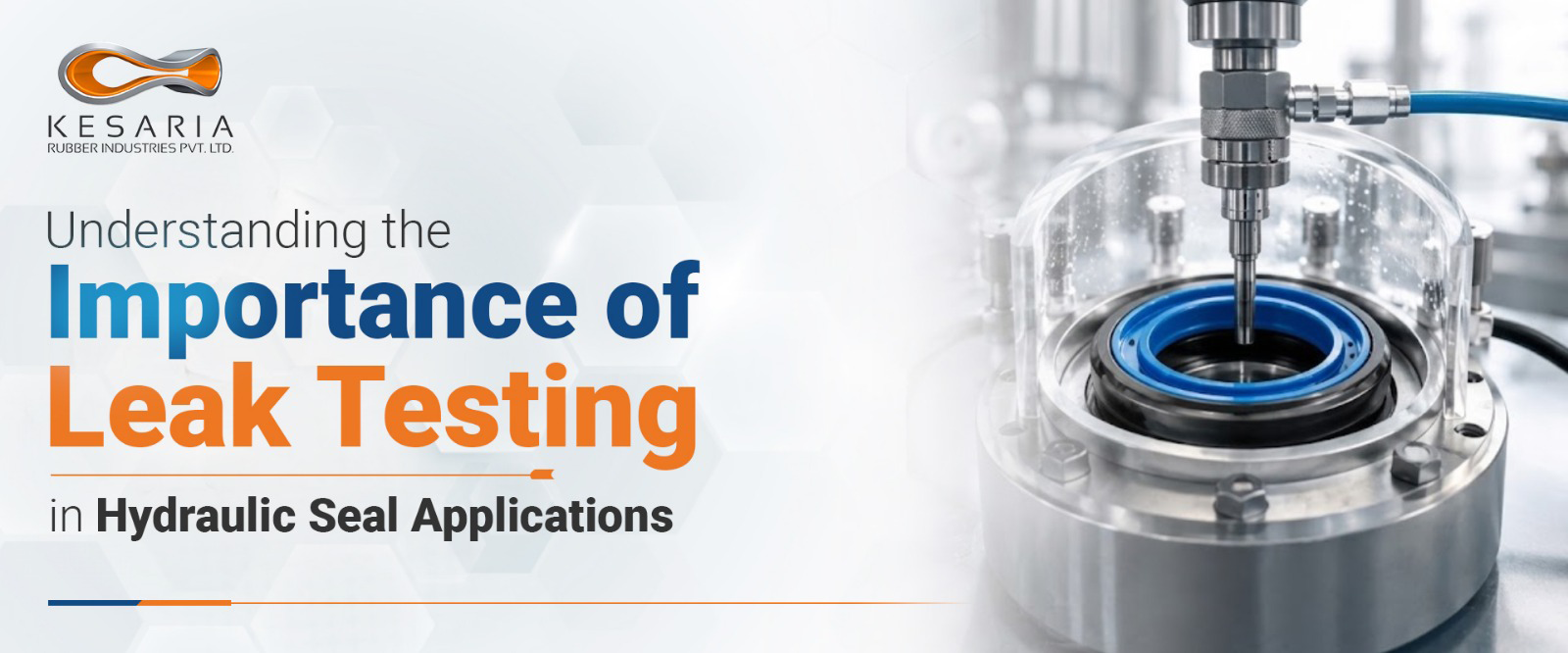
Hydraulic systems are the backbone of countless industrial, automotive, construction and agricultural applications. From heavy machinery and manufacturing equipment to braking systems and hydraulic cylinders, these systems rely on one critical component to maintain performance and efficiency: hydraulic seals.
While selecting the right seal material and design is essential, ensuring that the seal performs reliably under operating conditions is equally important. This is where leak testing plays a vital role.
Why Hydraulic Seals Matter
Hydraulic seals are designed to prevent fluid leakage, maintain system pressure and protect equipment from contamination. Even a minor leak can compromise system efficiency, reduce performance and lead to costly maintenance issues.
Unlike many mechanical components, hydraulic seals operate under constant pressure, temperature fluctuations and exposure to hydraulic fluids. Any defect in the seal or sealing system can result in fluid loss and equipment failure.
The Hidden Cost of Hydraulic Leaks
A hydraulic leak is often viewed as a maintenance issue, but its impact extends much further.
Leakage can lead to:
-
- Loss of system pressure and performance
- Increased energy consumption
- Equipment downtime
- Higher maintenance and repair costs
- Environmental contamination
- Safety hazards for operators
In critical applications, even a small leak can escalate into a significant operational problem if left undetected.
What Is Leak Testing?
Leak testing is a quality assurance process used to verify the integrity and sealing performance of hydraulic components before they enter service. The objective is simple: identify defects that could cause fluid leakage under actual operating conditions.
Leak testing helps detect issues such as:
-
- Material defects
- Surface imperfections
- Dimensional inconsistencies
- Manufacturing flaws
- Improper sealing performance
By identifying these issues early, manufacturers can prevent defective components from reaching the customer.
Why Leak Testing Is Critical
Hydraulic systems often operate at high pressures where even microscopic sealing defects can have serious consequences. A seal that appears acceptable during visual inspection may fail once subjected to pressure, temperature variations, or dynamic movement. Leak testing provides an additional layer of confidence by validating real-world sealing performance before installation.
for OEMs and equipment manufacturers, this translates into:
-
- Reduced warranty claims
- Improved product reliability
- Lower service and maintenance costs
- Enhanced customer satisfaction
- Greater operational safety
In industries where equipment uptime is critical, leak testing can significantly reduce the risk of unexpected failures in the field.
Supporting Long-Term Reliability
Leak testing should not be viewed as a standalone inspection process. It works most effectively when combined with robust material selection, precision manufacturing, dimensional verification, and performance testing.
Manufacturers that integrate comprehensive testing protocols into their quality systems are better equipped to deliver consistent and reliable sealing solutions.
Quality & Testing Process Works →
Conclusion
In hydraulic applications, sealing performance directly influences system efficiency, safety and reliability. A single undetected leak can result in downtime, increased costs and reduced equipment life.
Leak testing helps bridge the gap between manufacturing and real-world performance by ensuring that hydraulic seals perform as intended before they reach the field. For manufacturers and OEMs alike, it is a critical step toward building more reliable hydraulic systems and minimizing the true cost of failure.